Alice Y. Hu
Vice President, Recruitment & Retention (2026–2029), for Do Re Mi Project; Oversees retention initiatives supporting 539 tutors and 1,088 students across 18 countries and 43 U.S. states for a nonprofit providing 20,000+ free music lessons and 10,000+ scholarships. (https://www.doremiproject.org/about-us.html)
I am a resilient student leader who overcame a childhood speech disorder through years of therapy and was featured as a patient representative on the cover of a Mayo Clinic Rochester (ranked No.1 hospital in USA) magazine. Through music, I came to find a powerful way to express myself when words were difficult. That experience now drives my commitment to helping others find their own voice. As a tutor and leader with the Do Re Mi Project (https://www.doremiproject.org/about-us.html) , my teaching has provided 400 free music lessons to young musicians across the country. Today, I mentor young musicians, revive community music programs including Tri-M Music Honor Society, and organize academic and athletic initiatives that encourage others to find their voice and feel included.
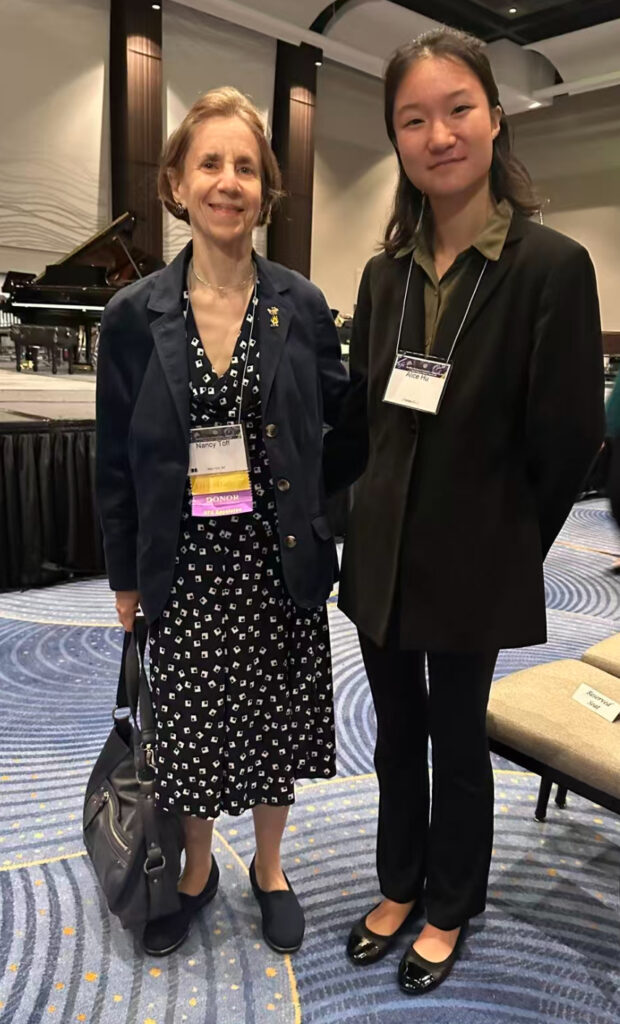
With Ms. Nancy Toff at the 2025 National Flute Association Convention
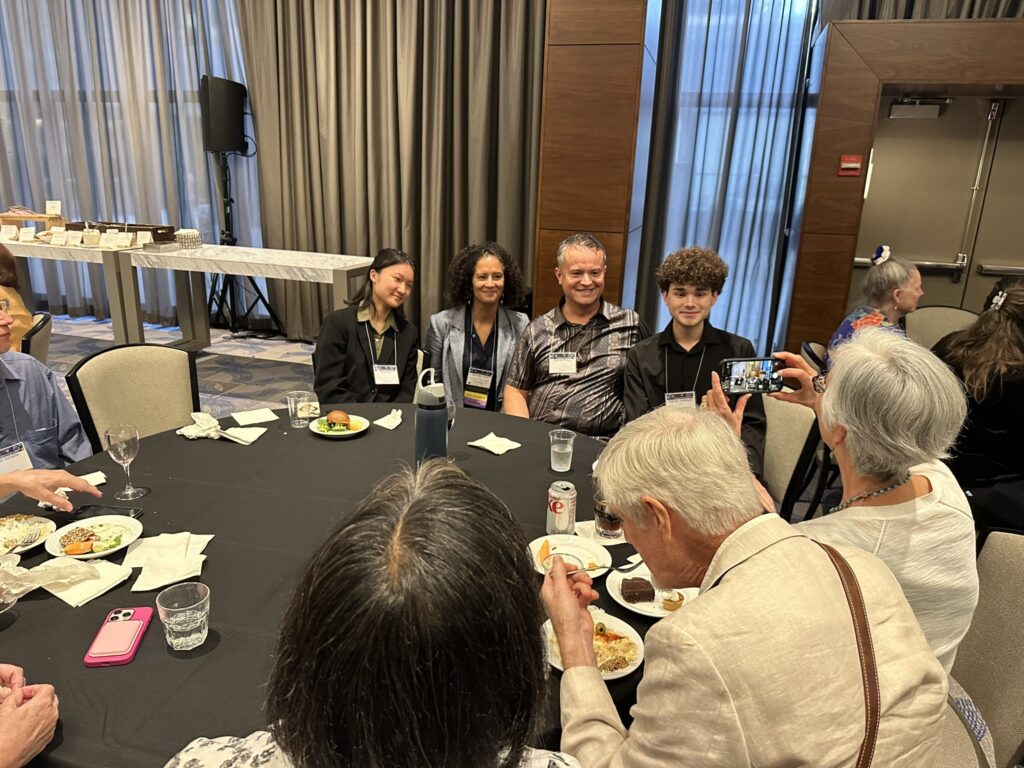
Attending the Life Member and Donor Appreciation Reception with Dr. Jennifer Grim and Dr. Daniel Pardo at the 2025 National Flute Association Convention
Chamber Music Magazine wrote in a 1992 article that “Every woman flute player in every major American orchestra, every little girl who plays the flute in a school band, has Frances Blaisdell to thank. She was the first.”
I was deeply honored to be the first high school student awarded the Frances Blaisdell Scholarship by the National Flute Association (NFA). Frances Blaisdell was one of the first women to enter the male-dominated world of orchestral performance.
One of the most memorable moments in my musical journey came when I received the Frances Blaisdell Scholarship by the National Flute Association. I learned from her close friend, Ms. Nancy Toff, Vice President at Oxford University Press, and from Dr. Jennifer Grim, President of the National Flute Association, that Blaisdell was the first female wind player accepted to Juilliard—only because the school mistook her for a boy. Her story of breaking barriers moved me. Moreover, her courage and determination encourage me to use music as a force for empowerment. Through the Do Re Mi project and local Youth Orchestra, I supported under-resourced students and brought my music peers to volunteer at a local senior center serving residents who speak only Spanish or Mandarin. Like Blaisdell, I believe music should be accessible to all people. My goal is to continue deepening my musicianship while expanding access to music, using it to make a meaningful difference in the lives of underserved and vulnerable populations.
In my senior IB Math HL Internal Assessment, I independently designed a statistical study analyzing pitch distributions across orchestral instruments (Flute, Violin, Timpani, Cello, Clarinet, Trumpet, Trombone, and Tuba) in Dvořák’s Symphony No. 9, Movement IV. By converting musical notes into Musical Instrument Digital Interface (MIDI) values and applying statistical measures such as skewness, kurtosis, and analysis of variance (ANOVA), I found that instrumental roles significantly influence composers’ pitch usage across musical registers: melodic instruments tended to favor higher registers, while bass instruments clustered around lower pitches. Furthermore, An ANOVA test confirmed statistically significant differences in mean pitch among instrument families, demonstrating how quantitative analysis can reveal structural patterns within music. This interdisciplinary project ultimately showed me how mathematics can uncover hidden order within artistic expression.
At my school, the IB program and the general student population exist in parallel worlds. Historically, the different coursework, separate buildings and schedules divided a predominantly Asian IB cohort from a largely African American traditional student population. Thus, there was a wall between us, and I endeavored to break it.
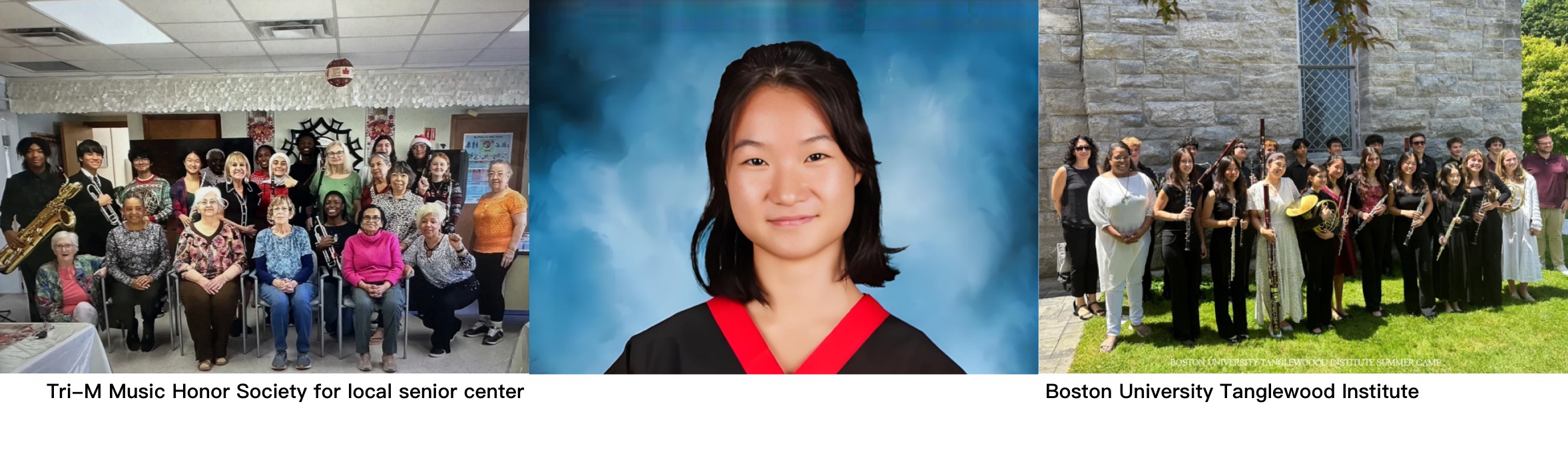
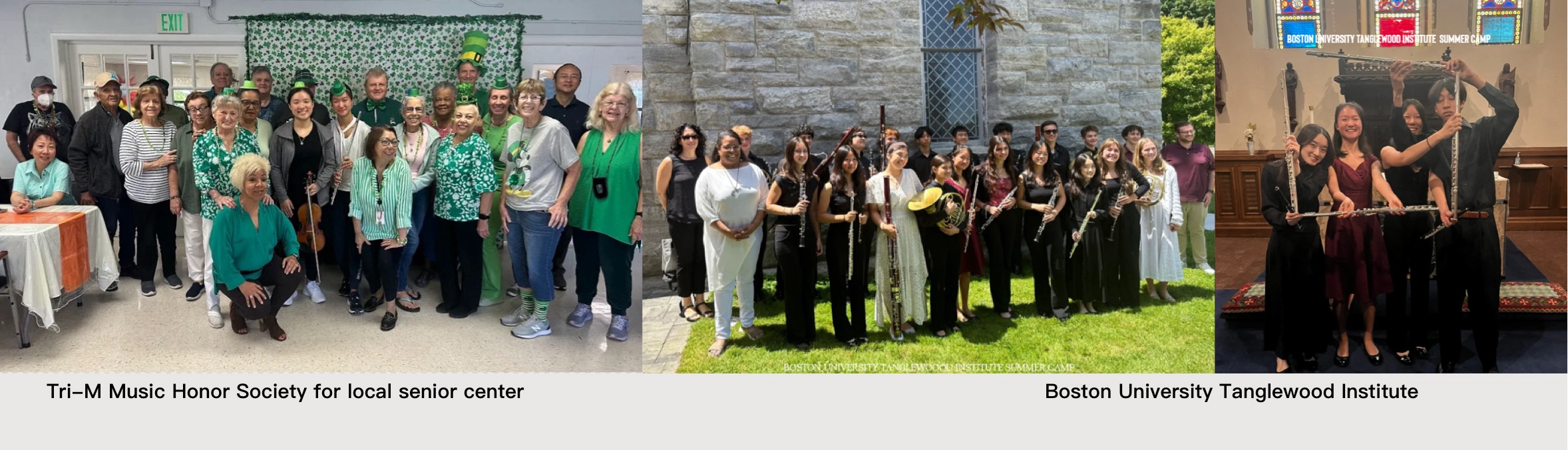
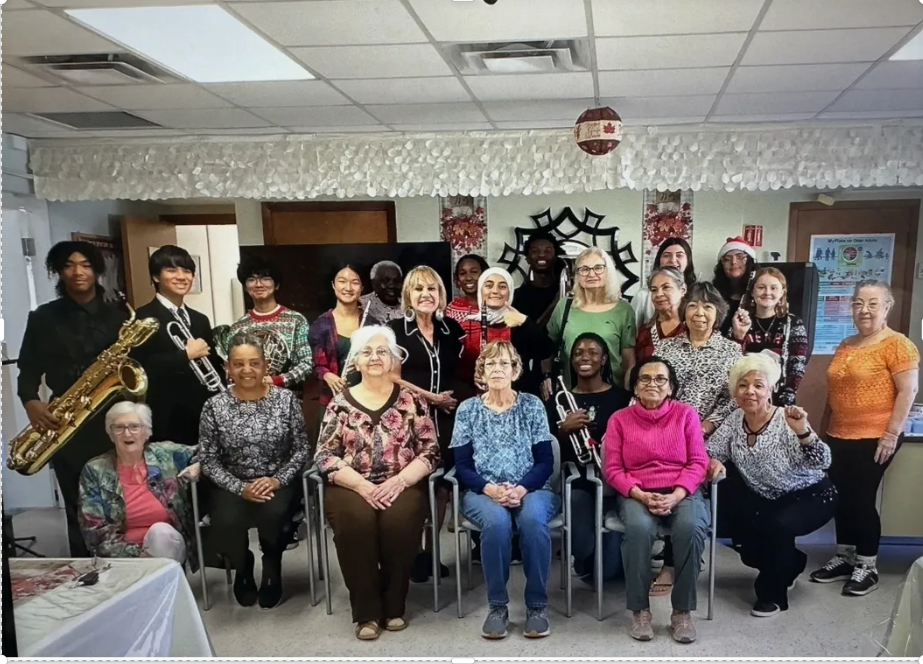
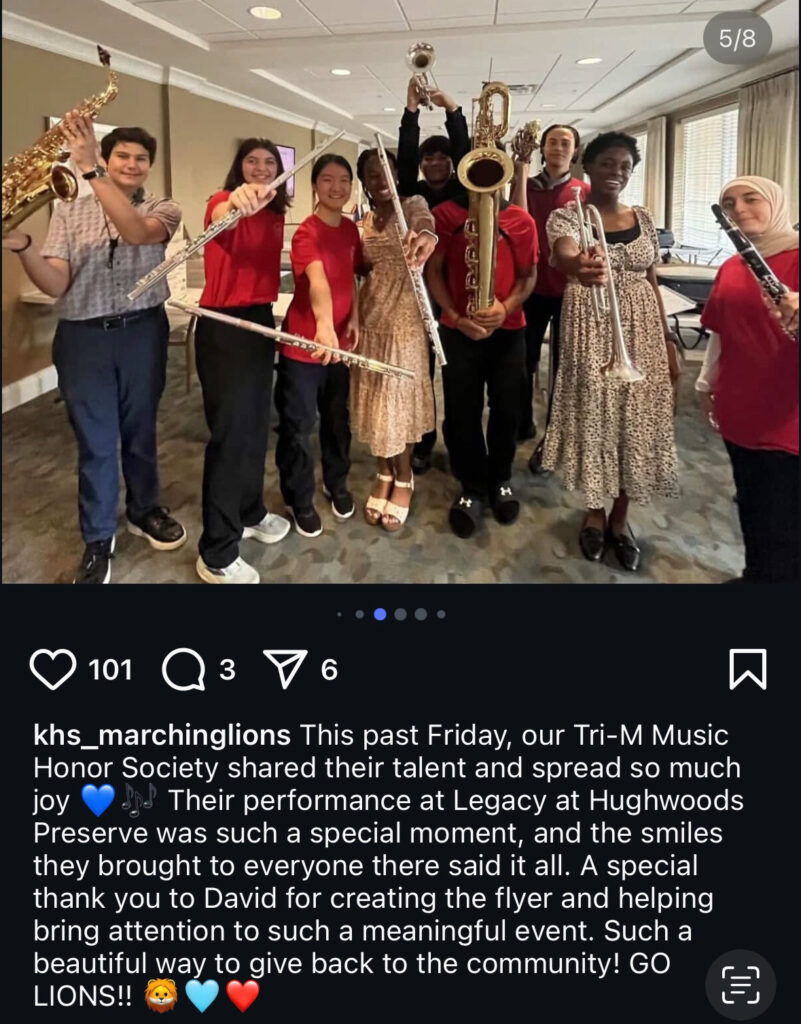
To bridge this divide, I encouraged students from diverse backgrounds to participate in Tri-M Music Honor Society service project performing at a local senior center, where most residents primarily speak Spanish or Mandarin. Through this initiative, for the first time, I watched with pride as students from across identities: five African American, three Asian, one Hispanic, one Muslim, and three White students rehearsed and performed side by side, united to create an ensemble with a common goal: using music to serve those who cannot speak English.
Beyond music, during African American History Month, I led our SNHS chapter decorated the science classroom door with images and stories highlighting Black scientists and their contributions. These experiences reshaped my understanding of leadership. I now see it as creating access and making room for the people who were separated by systems.
Video recordings
Boston University Tanglewood Institute
2025 Woodwind Quintet Workshop, Group 1
At the Boston University Tanglewood Institute, I studied with Prof. Valerie Coleman, a Grammy Award–winning flutist, composer, and founder of the Woodwind Quintet Workshop, and encountered a diverse repertoire shaped by African American traditions, blues techniques, and culturally rooted expressions that opened my eyes to new musical perspectives. Performing works such as Red Clay and the Mississippi Delta and Umoja expanded my understanding of music beyond the Classical canon and deepened my appreciation for how sound can carry history, culture, and collective identity. This experience inspired my passion for storytelling through music.
BUTI 1: https://youtu.be/qDsxbywg6aU
https://youtu.be/eGyzU59xZfQ
BUTI 2: https://youtu.be/BJc65Y6m018
https://youtu.be/XuY-AWXxa_M
BUTI 3: https://youtu.be/CyBHrONL_kM
BUTI 4: https://youtu.be/UKCRspcaiRY
BUTI 5: https://youtu.be/BJc65Y6m018
BUTI 6: https://youtu.be/I8D-UPSSPgA
Interlochen Center for the Arts
2023 Flute Intensive Summer Camp
https://youtu.be/ntUhmLkmN6s
https://youtu.be/x2IQnwO120c
https://youtu.be/0o_CURS6zmM
https://youtu.be/N-Bw0aJQ4rI
Tri-M Music Honor Society, King High School
Volunteer at a senior center
https://www.youtube.com/watch?v=qX0jgVpVRxQ
https://youtu.be/hHZ-zwtQ6MI
https://youtu.be/PkKZBmzEvks
https://youtu.be/mGjjFGXnP4M
https://youtu.be/zZW0ogaoY3o
https://youtu.be/1HV_vdwS0oI
https://youtu.be/1nmI_-SEC6k
https://youtu.be/aYmXf5ikASM
https://youtu.be/LTEteevui2c
https://youtu.be/eRt-QyWiTyw
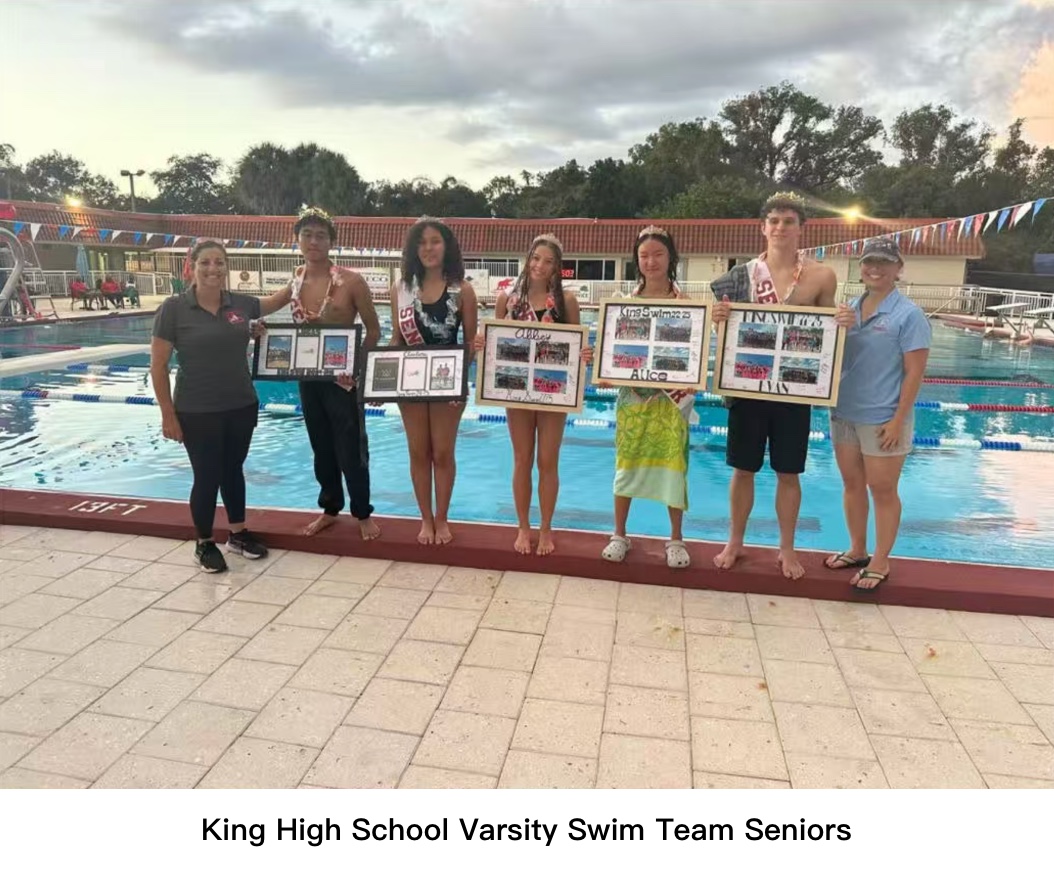
As co-captain of the swim team, I learned the usefulness of Tian-Ji’s Horse Racing Strategy in competitions-An ancient Chinese strategy where you use your strengths wisely to help the whole team win, even if you don’t win every individual event. Beyond that, I mentor swimmers and step into challenging roles when needed. At the state championship, I filled in for an injured teammate, swimming an unfamiliar stroke that helped our relay team place 18th.
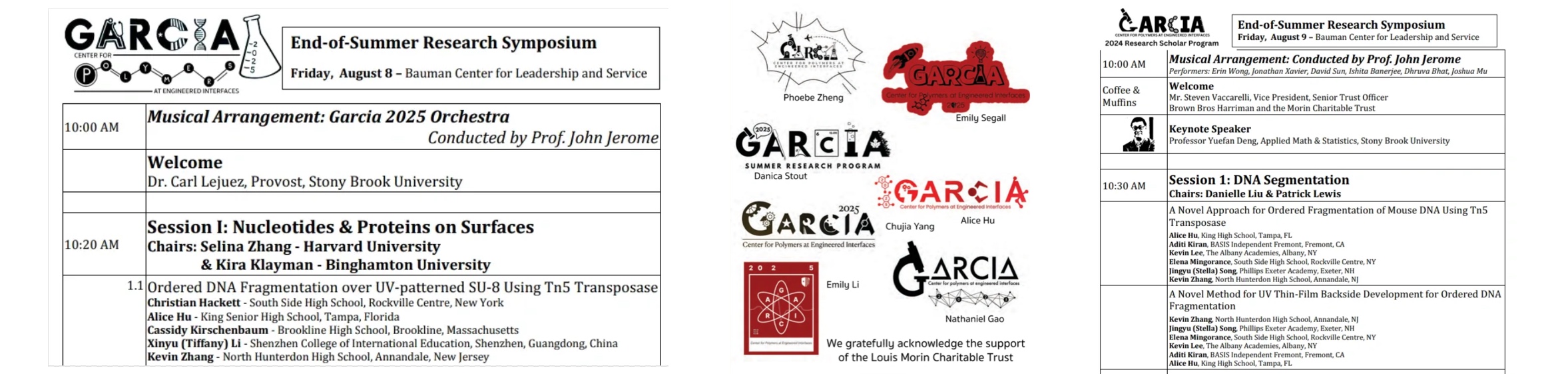
At the 2024 and 2025 Garcia Summer Research Programs, I completed 3 projects on ordered DNA fragmentation using Tn5 transposase. In March 2026, my colleagues and I at the Garcia Summer Program will present our fourth research poster on DNA sequencing at the Biological Physics section of the American Physical Society Global Physics Summit in Denver, Colorado. Our projects integrate biology, physics, and materials science to investigate how molecular tools can be engineered for precise control at the nanoscale. Together with my statistics and music project, these experiences define what excites me most this year: learning across fields seen as separate but that can combine to discover hidden, creative structure.
In addition, I independently created and designed an official logo for the Garcia Summer Research Program.
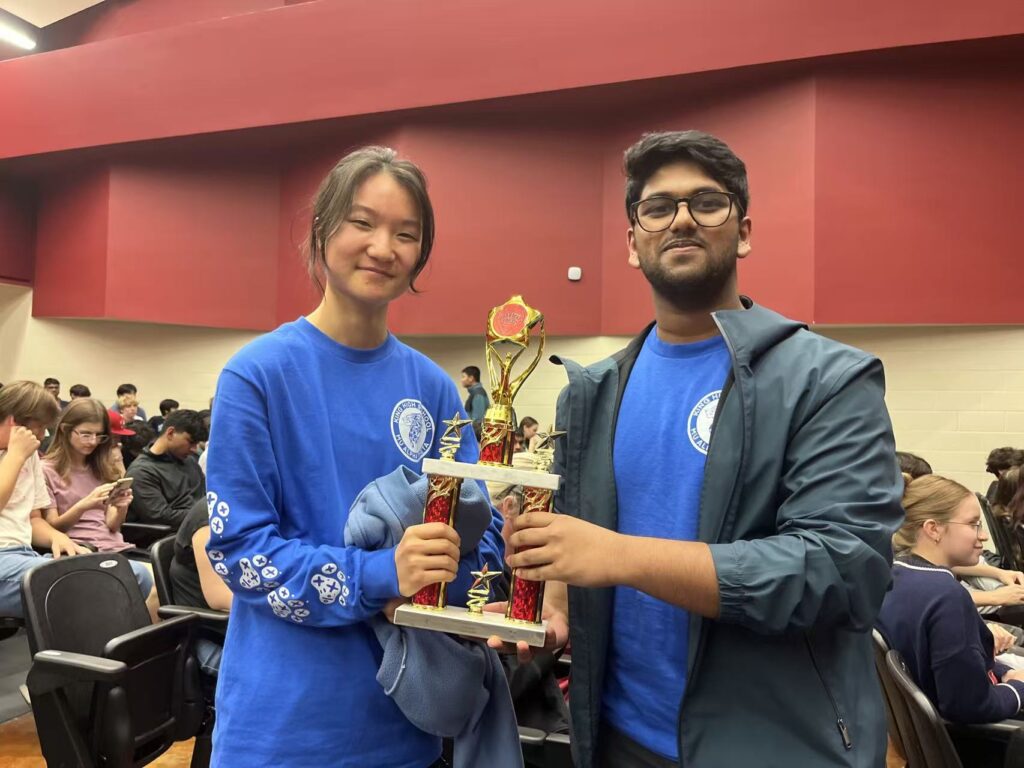
Florida Association of Mu Alpha Theta (FAMAT) 2026 Statewide Competition Sweepstake: 7th Place (out of 37 schools)
As a leader in my school’s Mu Alpha Theta chapter, I helped organize four consecutive state-wide competitions (2023–2026). In Feburary 2026, I co-led the planning and execution of the event and awards ceremony for 900 students from 37 schools, raising approximately $9,000 to support math education initiatives.
Also, I am proud to have organized Tampa Region 4’s first “Fest-4-all” (Fest-IV-al) competition and fundraiser in November 2025.
On the math team, I learned that leadership is not just a title but a pathway to building a community where excellence flourishes, and math becomes more accessible. Many students in Tampa, particularly at two newly established schools, lack advanced courses and coaching. Knowing this inspired me to help organize this event. Beyond writing statistics competition problems, I donated four Bumblebees I hand-crocheted as awards for the “Differentiation-Bee”, making the event more inviting.
This event brought together 100 students from eight schools and raised over $1,000 for the fund. Through organization and outreach, I saw how creativity and community can make STEM more welcoming and inclusive for all students.
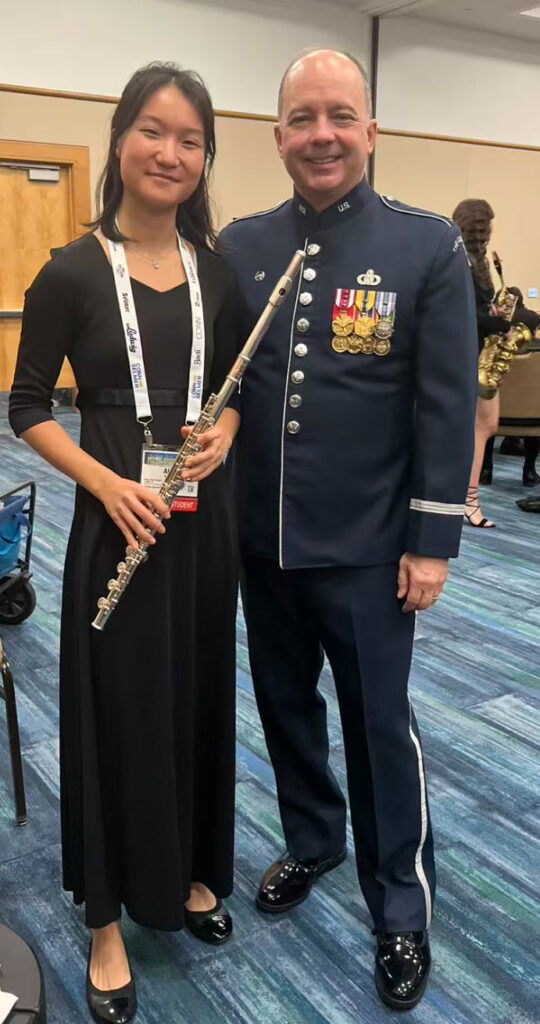
I was selected as Principal Flutist for the 2026 Florida Music Education Association (FMEA) All-State Symphonic Band, where I performed under the direction of Colonel Schofield, Commander and Conductor of The United States Air Force Band.
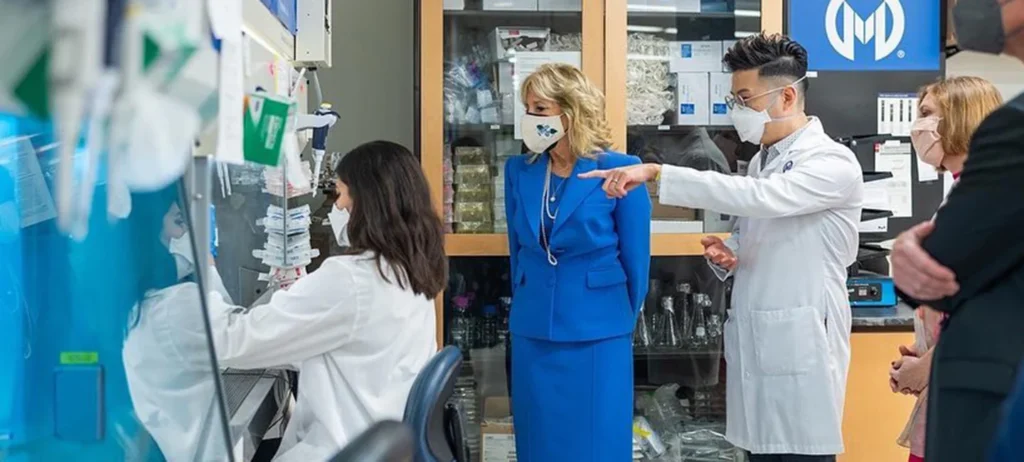
During my time in the Moffitt Cancer Center VolunTeen Program in 2024, I helped provide nutritionally balanced meals to patients undergoing chemotherapy and assisted nurses in improving clinic flow and patient support. Through these interactions, I saw how unequal access to healthcare remains one of society’s most pressing challenges, not only medically, but emotionally. In particular, small acts of compassion and clear communication can make complex treatment regimens feel more humane for patients and their families. Furthermore, during my volunteering there, I learned from the staff that First Lady Dr. Jill Biden had visited Moffitt Cancer Center in 2022 to launch the Cancer Moonshot initiative. It reinforced for me how systemic innovation and everyday human care must work together to truly improve health outcomes.
2025 Garcia Summer Research Symposium
https://youtu.be/nbGlZC7tPZA
2024 Garcia Summer Research Symposium
https://youtu.be/0p21SogkAak
https://youtu.be/nqUxhLycYvA
Garcia Summer Research Program
https://www.stonybrook.edu/commcms/garcia/_pdf/yearbook_PDFs_compressed/2025-min.pdf
https://www.stonybrook.edu/commcms/garcia/_pdf/yearbook_PDFs_compressed/2024-min.pdf